The direction a flat’s windows face decides when you get sunlight, how warm the rooms get and what your electricity bill looks like. It’s one of the few things you can’t change after you move in.
The guide below is for the northern hemisphere. South of the equator, swap north and south.
South-facing
South-facing windows get the most sun, and they get it through the middle of the day. Winter sun is low and reaches deep into the room. In summer the sun is high and a balcony above shades the windows.
Good for: living rooms, people who work from home, plants, lower heating bills. Watch for: glare on screens and TVs at midday.
West-facing
West-facing windows get the afternoon and evening sun. It’s the classic “sunset balcony”, lovely after work.
Good for: people out during the day, evening terraces. Watch for: heat on summer evenings. West-facing bedrooms can be hard to cool down at night.
East-facing
East-facing windows get the morning sun and are shaded from the early afternoon.
Good for: bedrooms and kitchens, early risers, cooler summers. Watch for: darker living rooms in the evening.
North-facing
North-facing windows get little or no direct sun in winter. The light is even and soft, which artists like, but the rooms are cooler.
Good for: studies, bedrooms for people who sleep late, very hot climates. Watch for: darkness in winter, higher heating bills, damp without good ventilation.
Dual-aspect flats
Flats with windows on two sides, especially opposite sides, get light at two times of day and air through in summer. They are usually worth paying a little more for.
How to check a specific flat
- Find which way the windows face. Look at the listing, the plan’s north arrow, or the building on an online map.
- Look at what stands in front of the windows: a tower across the street can take away hours of sun.
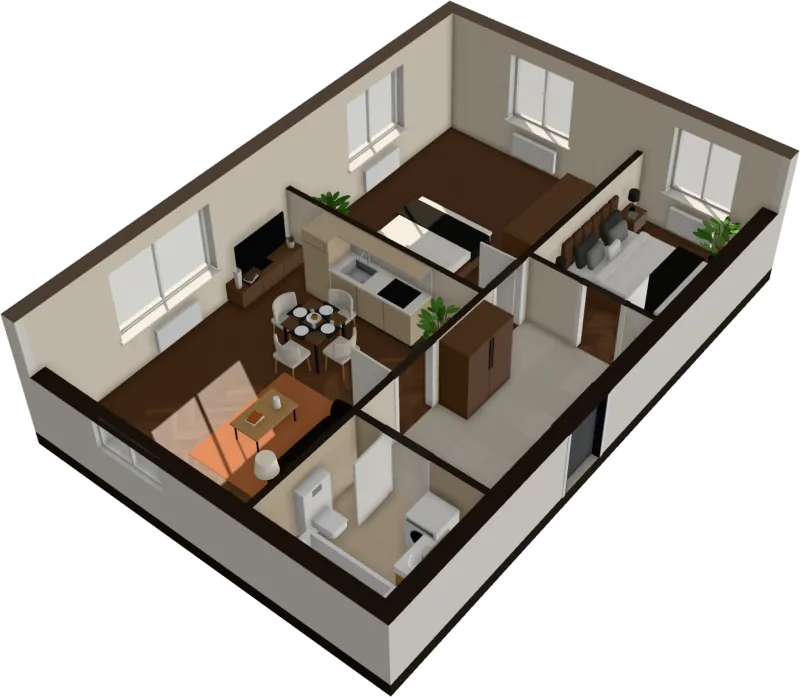
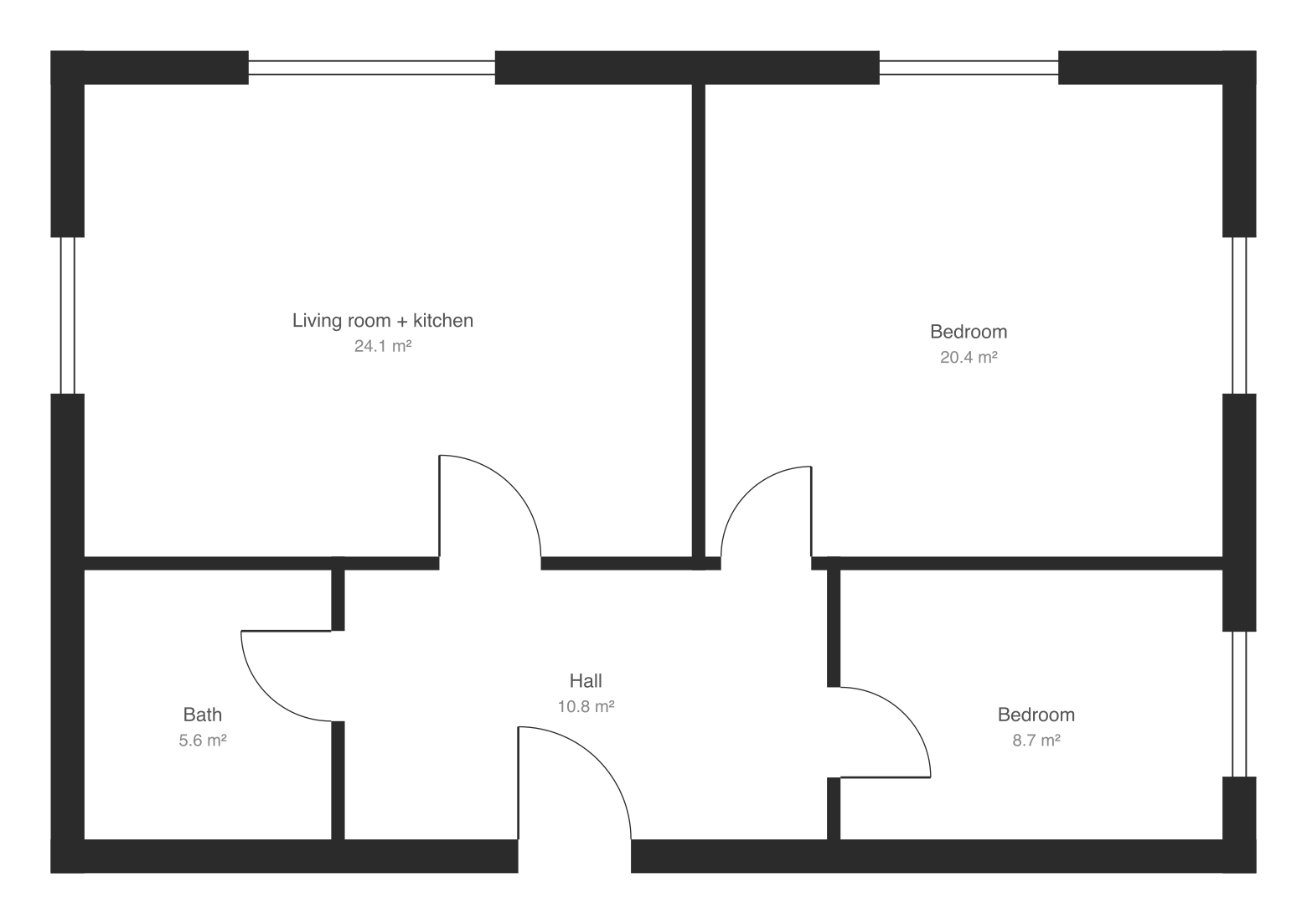
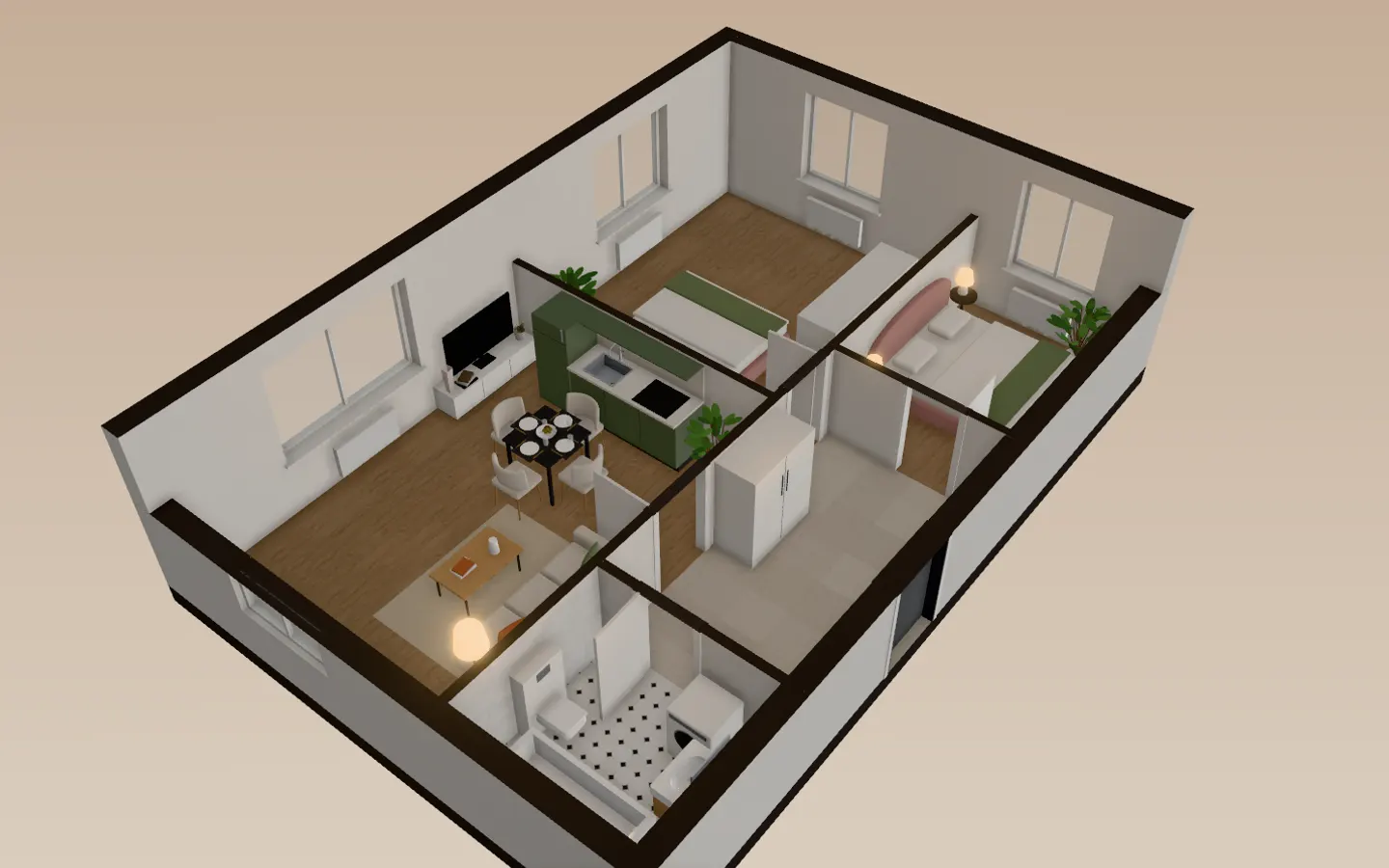
- Upload the floor plan to FloorTo3D, set the direction of the main windows and play the day in the sunlight simulator. Check midwinter (21 December) for the worst case and midsummer (21 June) for heat. Each room shows its hours of direct sun.